
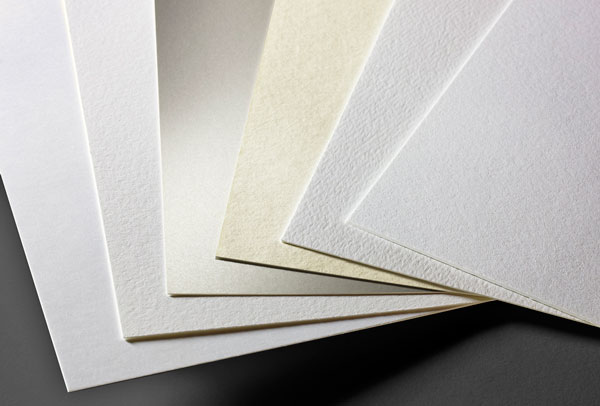
To help you get a better idea of how paper is chosen for various projects, we have put together some simple paper types FAQ. These questions cover some of the basics, from the differences between coated and uncoated paper to short and long grain, absorbency and weight. Remember that these paper types FAQ are here to act as a guideline. Should you have any questions at all, please get in touch with our team for assistance. We are always happy to give you advice on choosing the right paper for your needs.
Stay Informed With Our Paper Types FAQ
For the meantime, the following paper types FAQ will help you stay informed on the basic qualities and uses of paper in the printing process.
What is stock?
Stock is a term that refers to the material used for printing. It could refer to paper used for brochures, flyers or posters, or thicker card used for business cards and postcards, for example.
What is the difference between coated and uncoated paper?
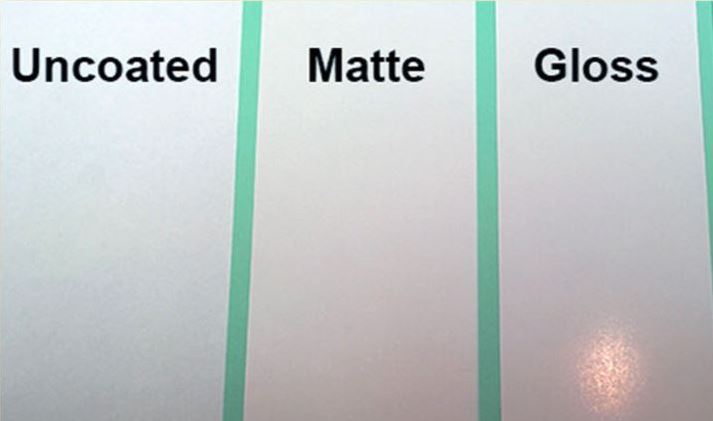
Coated paper has a coating that gives it a smooth finish. This could include a gloss or satin finish. Usually, coated paper is the best choice for projects that require a high quality finish, such as flyers and brochures. Uncoated paper has no coating. It is not as smooth, but it works well for paper material such as letterheads, envelopes and some business cards.
What is long grain and short grain?
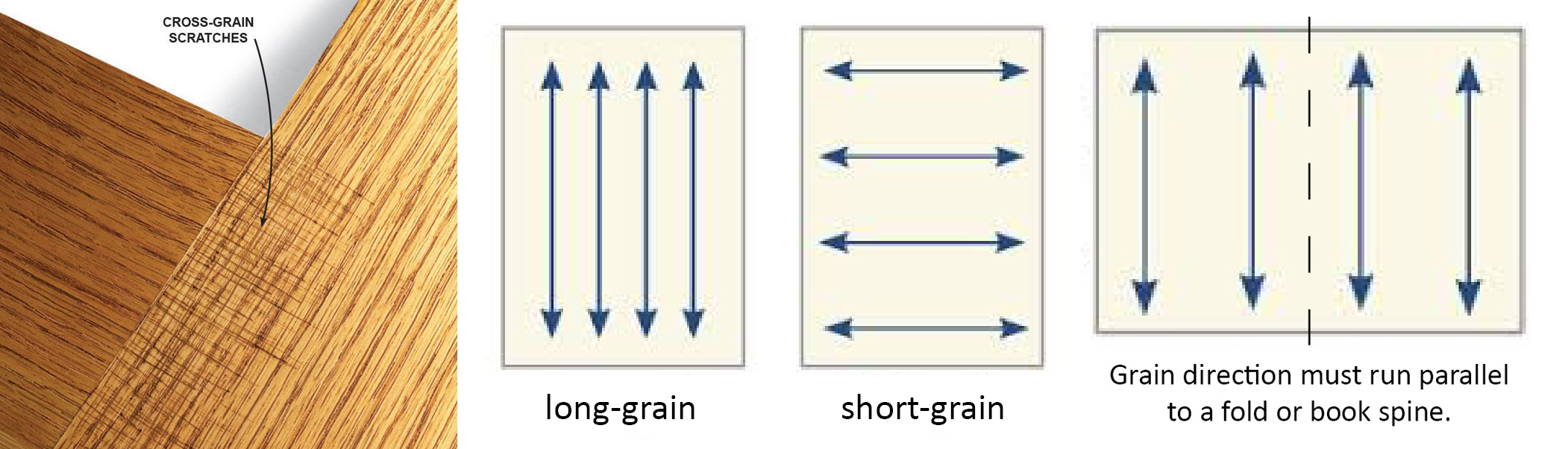
Long grain is used to refer to paper that has a longer dimension that runs parallel to the grain. Short grain refers to paper that has a shorter dimension running parallel to the grain direction.
What is meant by absorbency?
This term refers to the capacity that paper has for accepting fluid, such as ink. This could affect how well the paper holds its colours and detail after printing. A very absorbent paper has a bolder effect, while less absorbent paper may not be quite as bright.
What is the difference between 100gsm, 120gsm, 130gsm, 170gsm, 300gsm, 400gsm and 450gsm?
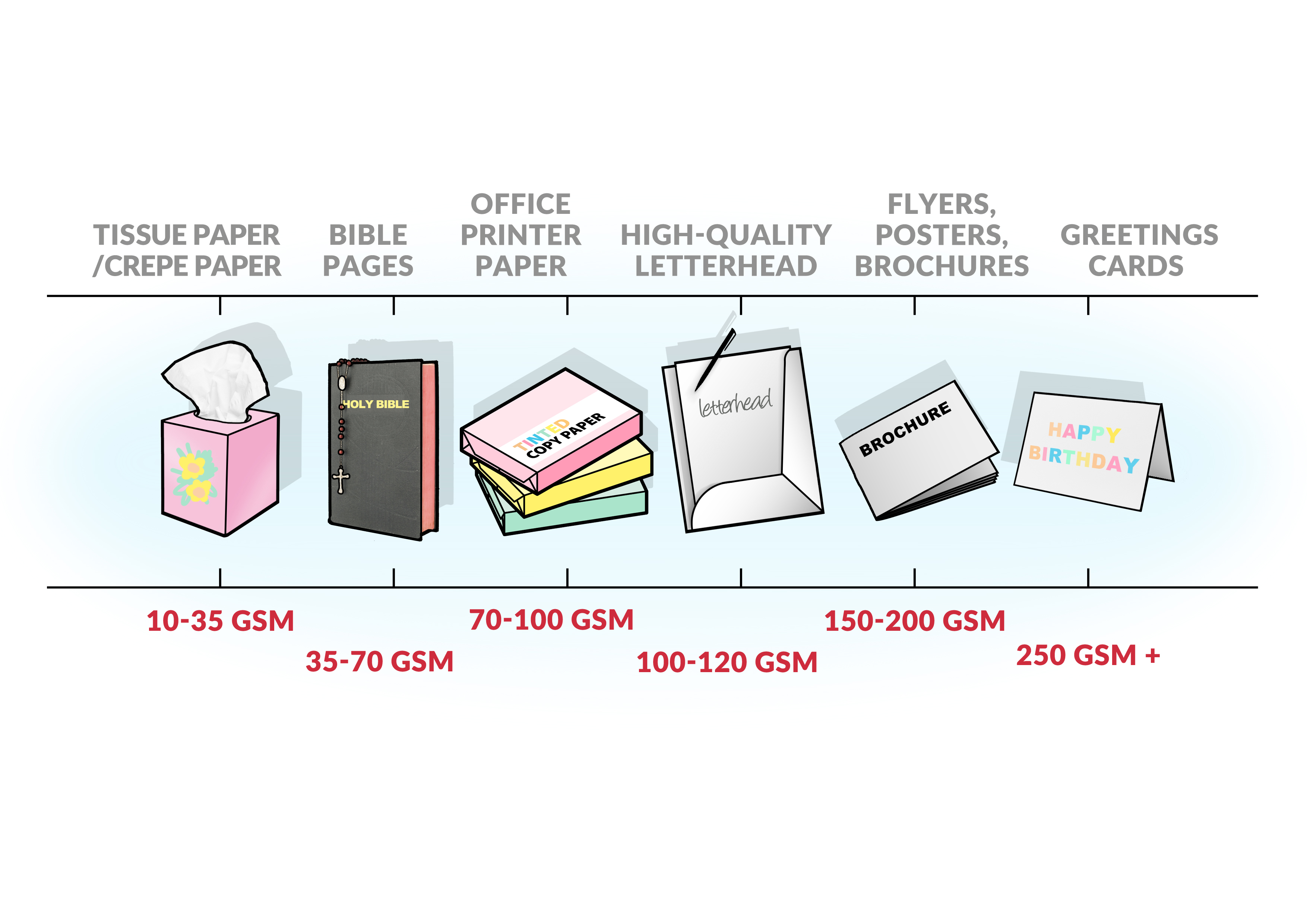
All of these measurements refer to the weight of the paper. Paper thickness is measured in grams per square metre (gsm or gm). Fax and regular photocopy paper have a weight of about 80gsm, while a premium letter may be between 100gsm and 120gsm, a leaflet or a flyer may be 120-170gsm, brochures and company profiles around 200-300gsm, and a postcard or business card around 280-350gsm. Packaging and boxes need to be sturdier to hold the products without it falling out or the boxes tearing, thus these will be 400-450gsm board.
Uncoated paper can seem thicker than coated paper, due to the fact that uncoated paper does not have a coating on, which takes up most of the weight, thus coated paper has more coating and less actual paper pulp, making it appear thinner or more flimsy but they are infact the same weight as the uncoated stock.
Generally speaking, the weight of a paper is a good guideline to indicate the thickness of the paper. We will always advise on the best weight for your project – speak to our team if you are ever in doubt.
What paper should I use for my project?
Every project is different, with different paper requirements. The best way to determine the best weight, finish and coating for your project is to simply ask when submitting your initial enquiry. That way, we can advise you on the best paper to suit your specific needs. This, in turn, will ensure the best results.
Get in touch with the Minuteman Press Pinetown team today if you have any more paper types FAQ or let us know if you have any other questions you may have about printing services in Durban and surrounds.


Leave a Reply