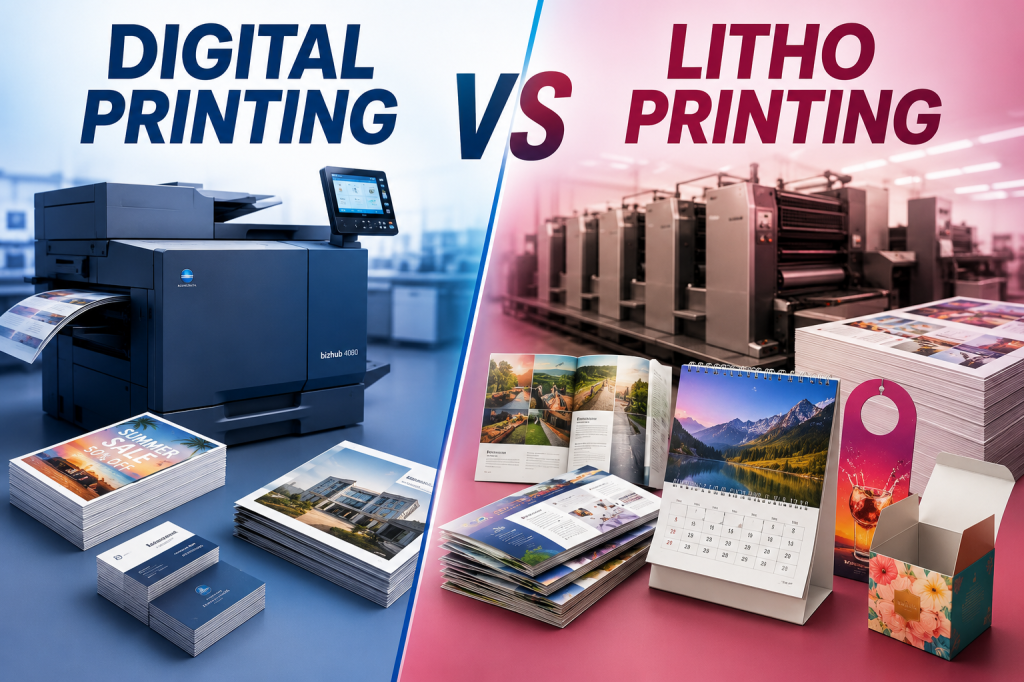
• Digital Printing vs Litho Printing: Which Printing Method Is Right for Your Job?

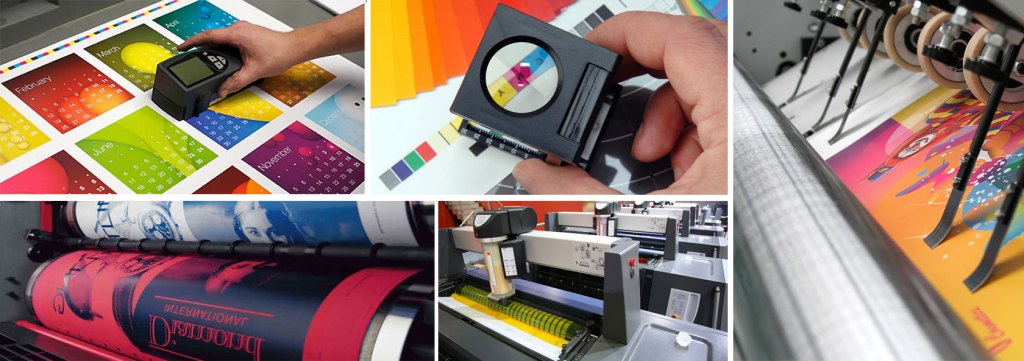
    When you need something printed, one of the first questions to consider is “Should this be printed digitally or using litho printing?”

    The answer depends on much more than simply the number of copies. The quantity, size, turnaround time, colour requirements, paper, finishing and setup costs can all influence which printing process offers the best result and the best price.

    Understanding the difference between digital and litho printing can help you choose the right method for your project—and avoid paying for a printing process that isn’t suited to the job.

    What Is Digital Printing?

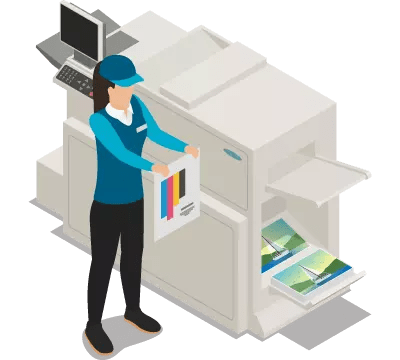
    Digital printing is a direct-to-print process. Your artwork is sent from the computer directly to the digital production printer, without the need to manufacture printing plates.

    This makes digital printing particularly useful when you need small quantities, fast turnaround times or personalised printing.

    There is very little physical setup involved compared with litho printing. Once the machine is configured and the paper is loaded, production can begin almost immediately.

    For example, if you need:

    • 100 business cards
    • 50 flyers
    • 100 brochures
    • 200 booklets
    • 25 personalised invitations
    • A small batch of labels

    Digital printing can often be the most economical option.

    Why is digital printing economical for short runs?

    The biggest advantage is the low setup cost.

    There are no metal plates to manufacture, no extensive ink setup and no large quantity of sheets required just to get the press running correctly.

    This means that whether you require 10 copies or 100 copies, the initial setup cost remains relatively small.

    Digital printing is therefore particularly cost-effective when you only need a small number of printed items.

    What Is Litho Printing?

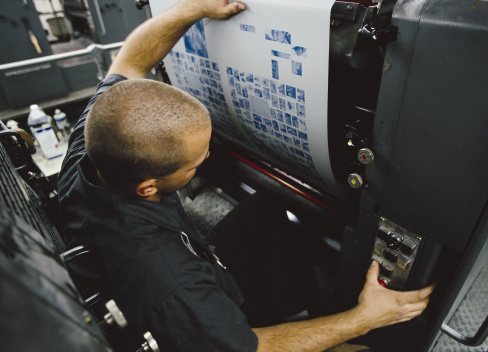
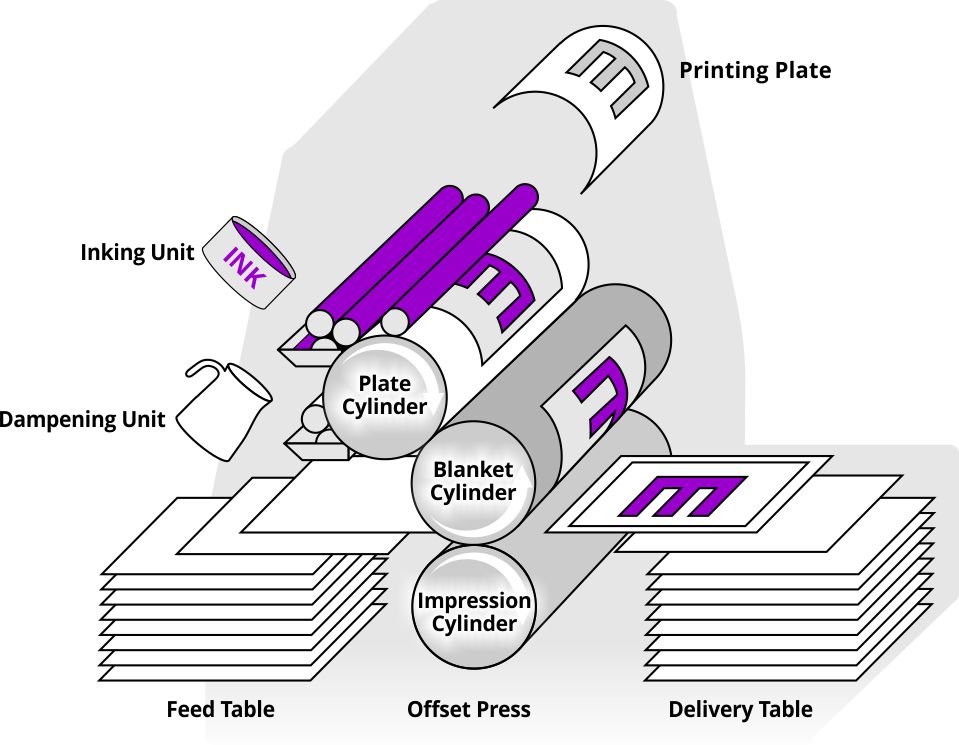
    Lithographic, or litho printing, is a traditional offset printing process designed for high-volume production.

    Unlike digital printing, litho printing requires considerable preparation before the first saleable sheet can be produced.

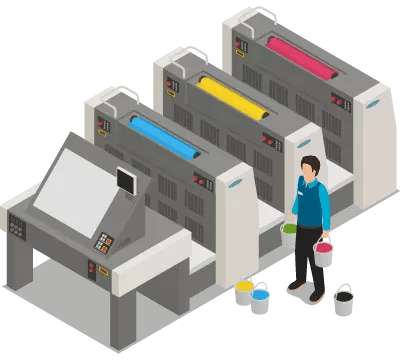
    The artwork is separated into the required printing colours and metal printing plates are manufactured. These plates are then mounted onto the printing press.

    The press also needs to be prepared with the appropriate inks, chemicals and paper. The operator must then set up the registration, pressure, ink levels and colour balance.

    The press typically requires a substantial number of sheets to be run through the machine during setup. These sheets are used to bring the job into correct position and achieve the required print quality before production begins.

    Those setup sheets are not normally saleable finished product.

    Why does litho printing cost more for small quantities?

    This is one of the most important differences between the two processes.

    Imagine you need only 50 brochures.

    With digital printing, the printer can set up the machine and produce your 50 brochures with relatively little preparation.

    With litho printing, the same 50 brochures may require plates, ink and press setup, plus a significant number of sheets used for registration and colour adjustments before the final production run begins.

    The setup cost therefore becomes a very large percentage of the total job cost.

    The result is that litho printing can be extremely expensive for short runs, even though the actual cost of printing each additional sheet can become much lower once the press is running.

    This is why litho is generally not recommended for small quantities.

    Digital vs Litho: Setup Costs

    A simple way to understand the difference is to think about where the money is being spent.

    Digital printing:

    Artwork → Machine setup → Print

    Litho printing:

    Artwork → Plate production → Press setup → Ink & chemical setup → Registration → Colour adjustment → Setup sheets → Production

    Litho therefore has a much higher initial setup cost.

    However, once that setup has been completed, the cost per additional sheet can become considerably lower.

    This creates an important tipping point.

    Small quantity = Digital usually wins

    Large quantity = Litho can become much more economical

    The exact break-even point varies depending on the job, paper, size, number of colours, finishing and machine being used.

    Turnaround Time

    Digital printing is often the quickest option because there is little preparation between receiving approved artwork and starting production.

    For urgent work, digital printing can sometimes allow a job to be produced almost immediately, subject to the printer’s workload, stock availability and finishing requirements.

    Litho printing requires additional preparation before production can begin.

    Plates must be produced, the press must be set up, inks must be prepared and the machine must be brought into registration and colour.

    This means litho generally has a longer setup time.

    However, once the press is running, litho can produce large quantities very efficiently.

    So the important distinction is:

    Digital printing is faster to start.
    Litho printing is designed to be efficient once large-volume production is underway.

    What About Print Precision?

    Both digital and litho printing can produce excellent-quality results, but the way the colour and registration are produced is different.

    Digital Printing

    Digital production presses can produce extremely sharp, high-quality prints, but there can be small variations in registration and colour density during production.

    The movement between colours can vary slightly from sheet to sheet, depending on the machine and the substrate.

    Digital colour is also generally created using toner or digital inks and colour management rather than physically mixing a specific spot ink on the press.

    For many everyday commercial printing jobs, this is more than accurate enough.

    However, when a job requires extremely precise spot-colour matching, litho can offer advantages.

    Litho Printing

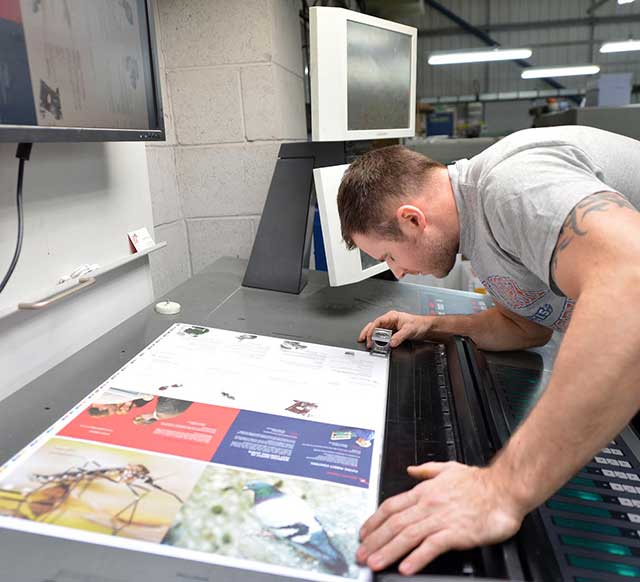
    Lithographic printing uses physical printing plates and highly controlled mechanical registration.

    The individual colour plates are aligned very precisely on the press, allowing the colours to be positioned accurately against one another.

    Litho also has the ability to use premixed Pantone spot colours supplied by ink manufacturers.

    This means that when a specific Pantone colour is required, the printer can use the actual premixed ink rather than attempting to reproduce the colour using CMYK process inks.

    For brand-critical work, this can provide a significant advantage.

    For example, if a company has a specific corporate green or orange that must be reproduced consistently, litho with a dedicated Pantone ink can provide a very accurate and repeatable result.

    Can Digital Printing Produce 100% Accurate Colour?

    Digital printing can produce highly accurate colour, but it is important to understand that colour reproduction is not the same as using an actual premixed spot ink.

    A digital machine uses its own colour system, toner or ink technology, profiles and calibration to reproduce the requested colour.

    There can also be variation between digital presses, substrates and production conditions.

    Litho printing, when using a correctly specified Pantone spot colour, can use the actual ink colour specified for the job.

    This is one of the reasons litho remains an excellent choice for brand-critical work, packaging and high-volume commercial printing where colour consistency is particularly important.

    Sheet Size Also Matters

    Quantity isn’t the only reason to choose litho.

    The physical size of the finished product can determine which printing process is possible.

    Digital presses have a maximum sheet size that they can accommodate. If a finished product requires a sheet larger than the digital machine can accept, litho may be the only suitable option.

    This is particularly important for products such as large wall calendars, desk-pad calendars, certain packaging products, large-format commercial pieces and other oversized printed products.

    For example, wall calendars and desk-pad calendars can require larger sheets and layouts that are not suitable for standard digital production.

    In these situations, litho printing can provide the sheet size and production capabilities required.

    What Is Best Printed Digitally?

    Digital printing is generally the better choice for short to medium runs, particularly when turnaround time and flexibility are important.

    Products that are often well suited to digital printing include:

    • Business cards
    • Flyers
    • Small quantities of brochures
    • Small quantities of booklets
    • Invitations
    • Greeting cards
    • Short-run books
    • Manuals
    • Training materials
    • Small batches of labels
    • Posters within the machine’s maximum sheet size
    • Variable-data and personalised printing
    • Small quantities of packaging and promotional products

    Digital is particularly useful when you need a small quantity quickly.

    What Is Best Printed Using Litho?

    Litho becomes increasingly attractive as quantities increase.

    Products commonly suited to litho printing include:

    • Large quantities of brochures
    • High-volume flyers
    • Large quantities of business stationery
    • Books
    • Magazines
    • Catalogues
    • Large-volume folders
    • Packaging
    • Point-of-sale materials
    • Large quantities of calendars
    • Wall calendars
    • Desk-pad calendars
    • Products requiring specific Pantone spot colours
    • Large printed sheets that cannot fit through a digital press

    Litho is especially useful when you are producing hundreds, thousands or tens of thousands of identical pieces.

    A Simple Example

    Imagine two customers both need brochures.

    Customer A

    They need 100 brochures.

    Digital printing is likely to be the better option.

    There is minimal setup, little wastage and the job can go into production quickly.

    Customer B

    They need 10,000 brochures.

    Now the calculation changes.

    Although litho has a much higher setup cost, that cost is spread across thousands of brochures.

    Once the press is running, the cost of producing each additional brochure can be significantly lower.

    Litho therefore becomes much more economical for the larger order.

    So Which Printing Method Should You Choose?

    There isn’t one printing method that is always better than the other.

    Digital printing is about flexibility, speed and economical short runs.

    Litho printing is about volume, efficiency, precision, colour control and larger production requirements.

    The cheapest option isn’t necessarily determined by the price per sheet. The total cost of setup plus production needs to be considered.

    A small litho job can be expensive because the setup costs are spread over very few finished products.

    A large litho job can be economical because those same setup costs are spread over thousands of products.

    Likewise, producing thousands of copies digitally may not be the most economical solution when a litho press can produce the quantity more efficiently.

    The easiest rule to remember:

    Need a small quantity quickly? → Digital printing

    Need a large quantity? → Litho printing

    Need a specific Pantone colour? → Litho may be the better option

    Need an oversized sheet that won’t fit through a digital press? → Litho may be required

    Need personalised or variable information on every piece? → Digital printing is usually the better choice

    At the end of the day, the right printing method depends on your quantity, size, colour requirements, turnaround time, paper, finishing and budget.

    A professional printer can look at the complete job and determine which process will give you the best combination of quality, price and production time.

  • “A stranger will judge you based on your business card and I was told that ‘you don’t need business cards anymore’. YES, you do!” said Elizabeth Casas, owner of Minuteman Press in Carson, California. 

    Elizabeth’s encounter illustrates a naïve belief that makes the rounds in blog posts and water-cooler chatter.  The idea that you don’t need business cards anymore is like saying you don’t need to smile or make eye contact because texting and digital contacts can effectively fill traditional networking norms.  This is a mistake and it’s costly.  Far better it is to have your name, your logo and your number imprinted with a designer’s touch onto something literally “handy” and the business card is a marketing staple that tops the list.

    Elizabeth continues, “I explain to people that it is very important not only to have those cards, but to have especially nice ones.  I had a discussion with someone who argued that with all the data we have access to today we do not need business cards. He told me all we should do is scan each other’s information onto smartphones and that is enough.  WRONG!  Most people are not going to remember you, go to their phones and look for you when they need whatever it is you provide at exactly the time they need it.  One guy, a lawyer, said that a major client of his is only his because they were handed his business card and it made the right impression.  When they needed a lawyer, there was his card, in their pockets.”

    “Putting a business card into a prospect’s hands is still the easiest and fastest way to convey your brand.  Plus, a business card doesn’t need batteries.”  – Bob Heimbuch, Minuteman Press International Regional Vice President, Washington DC/Maryland/Virginia and Pittsburgh

    While people will always do internet searches for products and services, there are some people who are not going to bother to look for your digital contact information readily as they will if you hand them a really cool business card.

    If you combine printed creativity to your professional presence, it is simply going to add to your accessibility and likability.  It also makes you look invested in your message and present you as more motivated and trustworthy.  Studies abound about the efficacy of business card use and how it endures even in the modern digital era.

    For arguments sake, however, let’s acknowledge that smartphones are so preferred that some people may meet you, smile, take your business card and then, GASP, throw it out.  Studies show that STILL doesn’t mean you should not get them designed and printed.

    According to a study published by Credit Donkey, not everyone saves the physical business card, but that does not seem to affect the purpose, to make your mark as a professional in their minds.  Before the 88% of recipients throw them out, most scan them into an app like Evernote and then add notes and some even follow up on LinkedIn.

    Though 77% of Americans have a smartphone (which is 42% more than 5 years ago), the business card is still in high demand.  It demonstrates a higher level of professionalism, even if it is discarded or ultimately scanned into a device.  It is clear that it is the ritual of exchange that matters.  The act of handing them out has not lost one ounce of strength in marketing and it could be argued that rampant digital fatigue in society today has bolstered its power.  People are relieved when you give them something you took the time to have designed and printed.

    The amount of digital content we are all creating (novices and experts alike) is increasing exponentially and that does mean a bit less is being printed in a classic way.

    With the increase of digital fatigue comes a unique contemporary space for print and it provides you with a way to take advantage of the singular introduction tool known to building relationships: the business card.

    The business card tells your story in fractions of a second, is inexpensive, and with every one you hand out, the data continues to show how your possible ROI surpasses any expense.

    Pat Lord, owner of Minuteman Press in Wilmington, Delaware, recalls a large client that was wise to the fact that printed marketing is necessary and one of the starting points is a fine business card.  Today, they do a wide range of design and print for Acosta Food Services as their marketing services providers; but the partnership began with a small job when Joel Robbins came in five years ago and asked for a $400 brochure job.   Shortly thereafter, realizing their value, he came back for business cards.

    Tom knew why and explains, “Basically, he was testing our quality and turnaround time before asking for more from us.  What started with those smaller jobs, namely, the classic business card, led to the enormous number of projects we do for Acosta today.  We have the customer service of a small printer, but we do so much more. We can do the work of a big company, but that work began with brochures and business cards.”

    So if you think you don’t need business cards, you’re wrong!  If you are serious about developing a career and networking as a stand-out in your industry, you need to get them printed.  Find yourself a marketing services provider to listen to your story and then, treat yourself t design and print that will be your signature mark.  Distribute widely and buckle up for growth!

    Up your business card game!

    Contact Minuteman Press Pinetown today for Business Cards on 031 701 3101 or you can order online and even design your business card using our templates for free by clicking HERE

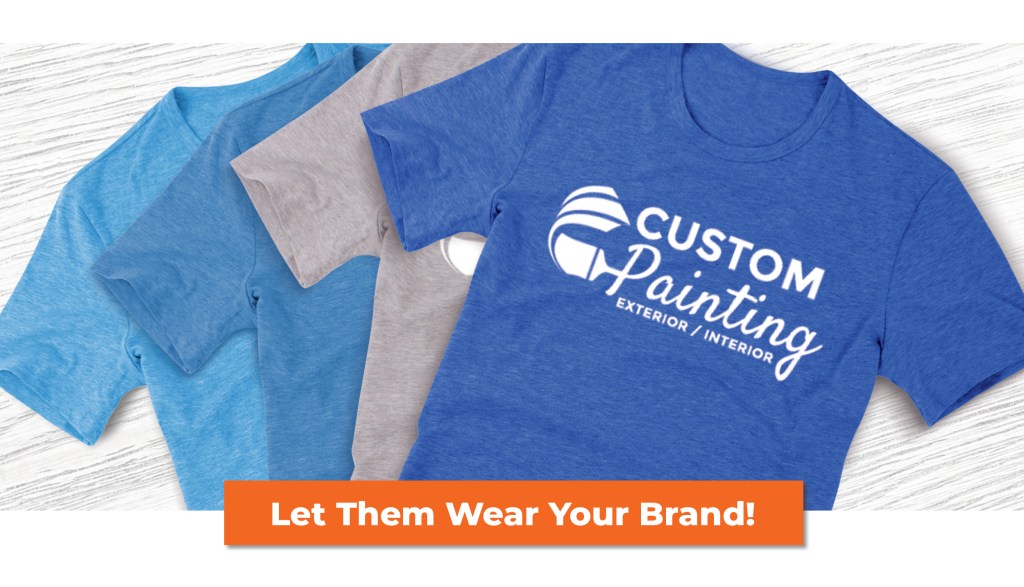
  • Branded t-shirts can be a highly effective marketing tool for any business, big or small. Not only do they provide a simple and cost-effective way to promote your brand, but they can also help build brand loyalty, create a sense of unity among employees, and increase customer engagement. In this blog post, we will explore the various benefits of using branded t-shirts for your business.

    1. Cost-effective marketing Branded t-shirts can be a highly cost-effective marketing tool, especially for small businesses with limited marketing budgets. They are relatively inexpensive to produce and can be distributed to customers, employees, and partners as a way of promoting your brand. Compared to traditional advertising channels like billboards, print, or TV advertising, branded t-shirts can offer a much higher return on investment.
    2. Increased brand recognition Branded t-shirts can help increase brand recognition by exposing your logo and messaging to a wider audience. This can be especially important for small businesses that are just starting and need to establish a presence in the market. When your employees and customers wear your branded t-shirts, they become walking billboards for your business, spreading awareness about your brand and what you offer.
    3. Builds brand loyalty By providing branded t-shirts to your employees and customers, you can create a sense of unity and belonging. Your employees will feel like part of a team, and your customers will feel like they are part of your brand’s community. This sense of belonging can help build brand loyalty, which is crucial for businesses that want to retain customers in the long term.
    4. Creates a professional image Branded t-shirts can help create a professional image for your business. When your employees wear branded t-shirts, they look more uniform and organized, which can help instill confidence in your customers. This is especially important for businesses that interact with customers face-to-face, such as retail stores or restaurants.
    5. Increases customer engagement Branded t-shirts can also help increase customer engagement by providing a conversation starter. When your customers wear your branded t-shirts, they may receive compliments or questions about your business, which can lead to a conversation about your products or services. This can help increase customer engagement and lead to more sales.

    In conclusion, branded t-shirts can be a highly effective marketing tool for any business. They offer a cost-effective way to promote your brand, increase brand recognition, build brand loyalty, create a professional image, and increase customer engagement. If you haven’t already, consider investing in branded t-shirts for your business and watch your brand awareness and customer loyalty grow.

    Order your Branded T-shirst today by selecting a shirt from our range for quotation

    #Tshirts #Brandedshirts #Merch #Promotionalclothing

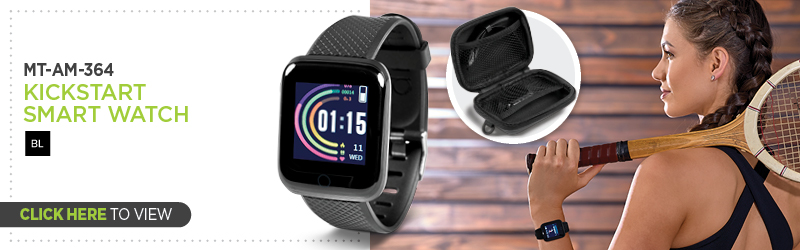
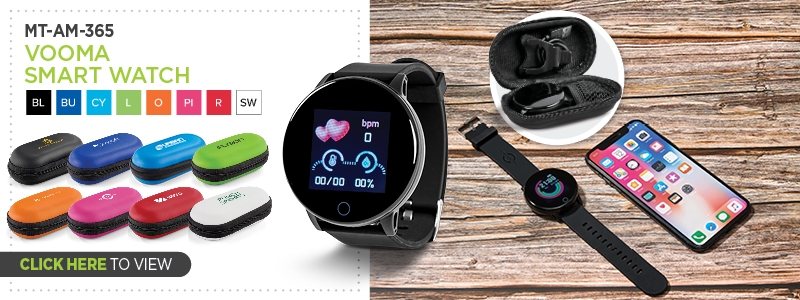
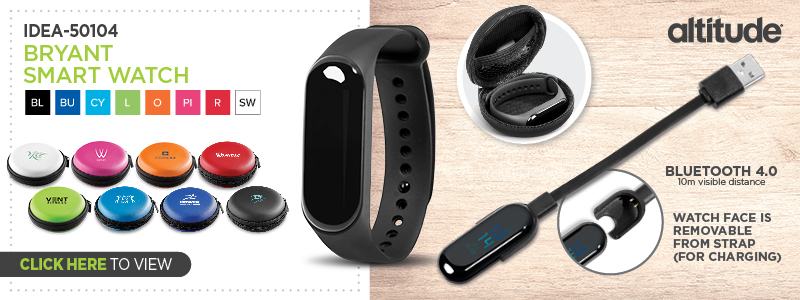
  • Branded Sports Watches

    Click on the watches above for more information, complete the form for a quotation.

    You are welcome to request to view the products first, before purchasing, we know ordering online can always be daunting.

    Simply contact the Customer Services Manager, Tanya for more details on 031 701 3101 or email tanya@minutemanptn.co.za

  • Matt vs Gloss Paper

    When you order printing, the difference between matte and glossy paper is “shininess” of the paper. This difference is most apparent when you flip the sheets of paper under the light.

    This article looks into the differences between the two paper types to help you make your paper choices when printing. We’ll help you understand the physical differences (by explaining the manufacturing), and how to choose the best paper based on the files you have to print.

    The differences in manufacturing matte and glossy paper

    The two paper types look and feel different to the touch, but they’re actually manufactured in a very similar manner. Believe it or not, matte paper uses the same chemical coating as gloss paper.

    Gloss paper has more coating applied than matte paper.  Matte paper has a semi-gloss finish, produces high quality prints, but lacks the vibrant effects of gloss paper. Matte paper produces no glare and is resistant to smudging and imprints left by fingerprints. 

    Fun fact: gloss paper is very slightly thinner than matte paper, even though they’re the same weight. For example: if you print booklets on matte and glossy paper, they’ll weigh the same amount on the scale. However, the glossy booklets are denser, and ever-so-slightly thinner.

    Factors when choosing between matte and glossy paper for printing

    The biggest factor when you choose between matte and glossy paper is the kinds of content that you’re printing. How many photographs, graphic designs/illustrations, and articles of text do you have in your prints?

    Glossy photo paper is shinier—this makes the color in your images “pop” on the sheet. The extra shine works well on print files with heavy color coverage, especially photographs and big graphics. This effect also makes the color on the photo prints look like they have higher contrast. 

    Matte paper has a more muted feel to it. This can be used to great effect in designs with a light or pastel color scheme, and in designs with a great deal of text on it. Because matte paper changes less under the light, they also have more of a “flat” feel than gloss sheets. If the final product is intended to be written on with a ballpoint pen, then matte is the recommended paper type

    Final thoughts

    Don’t stress! In the end, you can’t really choose the wrong paper for printing. You’re not going to end up in a situation where you regret the choice of the paper. Both paper types carry color very well, and it ends up coming down to subtle preference and nuance. Matt and Gloss paper in the same brand and grammage cost the same as well.

    For more expertise advise and/or to view samples of paper contact Minuteman Press Pinetown 031 701 3101 or sales@minutemanptn.co.za

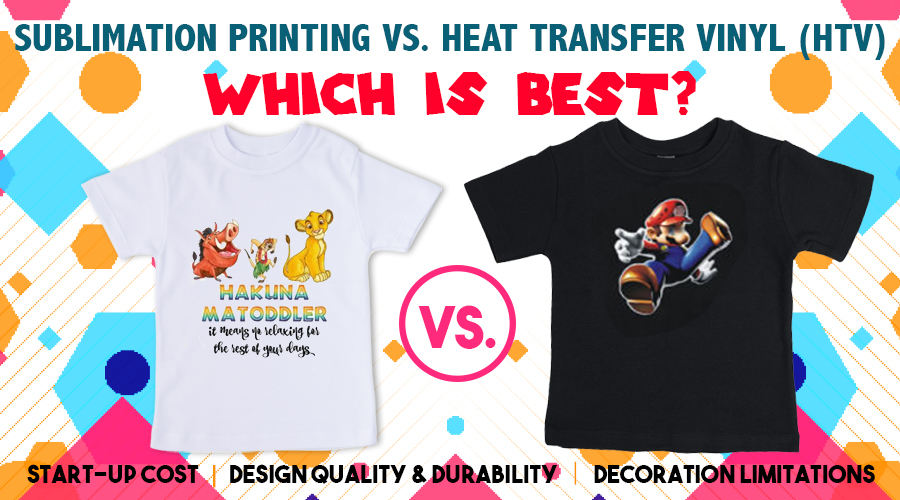
  • Dye sublimation is actually a form of heat transfer! However, each decoration method uses different film and equipment. In dye-sub graphics are digitally printed and then heated to transfer the dye onto your material on a molecular level. Because the design is bonded on a molecular level it will never crack or peel. However, Dye-sublimation also comes with some limitations as well. Dye-sub can only be done on white or light colored fabrics. Additionally, dye sublimation is limited to polyester in terms of fabrics.

    Heat transfer designs can be applied to a much broader range of fabrics and colors than dye sublimation designs, although they work best on cotton. Heat transfer printing is not quite as durable as dye-sub, but it is more affordable and is typically the go-to decoration method for small run custom t-shirts, sweatshirts and hoodies.

    IN A NUTSHELL….

    DYE SUBLIMATION BLENDS CONVERTS INTO A GAS AND TRANSFERS INTO THE FIBRES OF THE FABRIC AS IT COOLS

    HEAT TRANSFER IS BASICALLY CUT OUT VINYL OR VINYL “STICKERS” HEAT PRESSED DOWN ONTO THE FABRIC SO THAT IT ADHERES TO THE FABRIC

    Let’s explain in detail…

    You must have heard of different printing methods used in the garment decoration industry, especially the sublimation printing and heat transfer printing and may be asking yourself which method of garment decoration is better?

    The truth is: both are great; each method comes with its benefits and drawbacks! However, the right method for you or your business depends on your needs and what you intend to create.

    In this post, we will take a close look at the pros and cons of each garment decoration methods to help you determine the one that will be most suitable for your needs.

    Heat Transfer Printing

    Heat transfer printing (also known as thermal printing, heat printing, and thermal transfer printing) refers to the use of heat and pressure to apply custom designs to garments or other items.

    This printing method works by transferring custom designs or images from heat-applied materials to garments or other items when you apply heat and pressure.

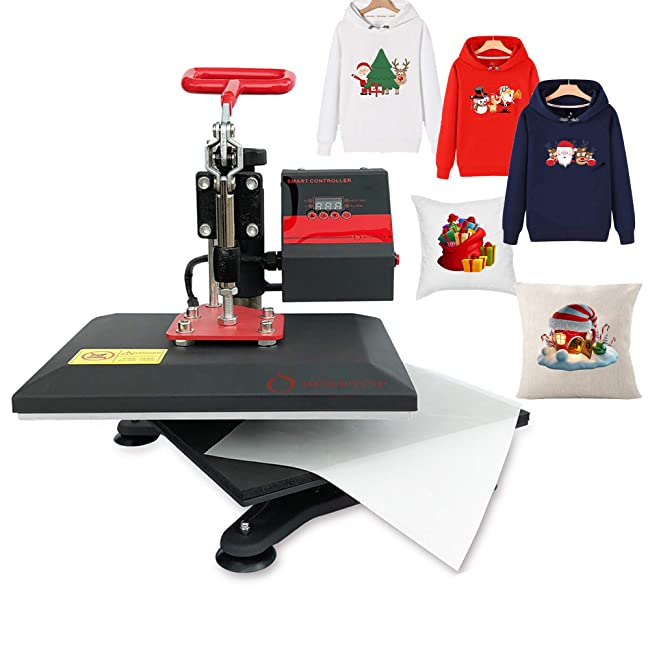
    HEAT PRESS MACHINE

    Heat transfer printing method is used to decorate or print on a wide variety of items such as T-shirts, bags, caps, awards, plaques, and other items that can withstand the heat of transfer.

    There are different types of heat transfer printing, two of which are commonly used in the garment decoration industry today. This includes vinyl (material-based transfer) and digital heat transfer printing (ink-based transfer).

    Vinyl Heat Transfer Printing (Material-Based transfer)

    This type of heat transfer printing relies on the use of film or physical transfer material with heat-activated adhesive backing such as iron-on vinyl (heat transfer vinyl) to transfer custom designs onto garments.

    Digital Heat Transfer Printing (Ink-Based Transfer)

    The digital heat transfer printing also makes use of heat but without the adhesive-backed material.

    Instead, it uses an inkjet or laser printer to print your designs onto a special heat transfer paper with apparel ink so that you can heat press it on your garment to transfer your designs onto the fabric.

    Adhesives are also used in this form of printing, but they are either on the transfer paper surface or already mixed with ink and activated with heat.

    Please read our heat printing basics to learn more about the different types of heat transfer printing.

    Pros & Cons of Heat Transfer Printing

    Pros:

    • Heat transfer printing has a very low investment cost
    • It is easy and ideal for newbies
    • You’re not restricted on the color of the item that you can decorate
    • You can go to two different printing routes with inkjet or laser printer
    • The decoration of both polyester and cotton substrates is achievable with this printing method
    • You can achieve self-weeding with laser release paper
    • Laser printers do not use ink; they use toner, so they do not clog

    Cons:

    • Inkjet transfer papers can only work on textile materials
    • Inkjet transfer papers cannot achieve self-weeding
    • Bigger designs created with this method are more prone to cracking
    • Bigger designs have heavier hand feel (the artwork can be felt by the wearer of the garment decorated with this printing method)
    • When using laser printers, the type of transfer paper used for transferring designs onto textiles is different from the one required for transferring designs onto hard surfaces

    Dye Sublimation Printing

    Dye-sublimation (also known as sublimation printing) is a form of heat transfer printing and is quite similar to digital heat transfer since it also relies on ink and heat to transfer the designs.

    However, it uses different materials, ink, equipment, and approach (as it does not rely on the use of adhesives to transfer designs).

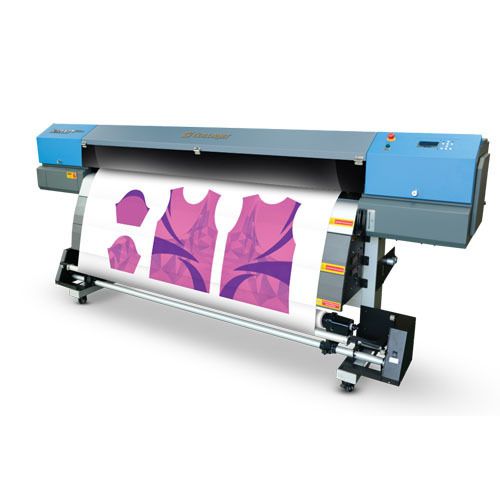
    In sublimation printing, custom designs are created on the computer and printed on the transfer paper with an inkjet printer using sublimation inks in this case.

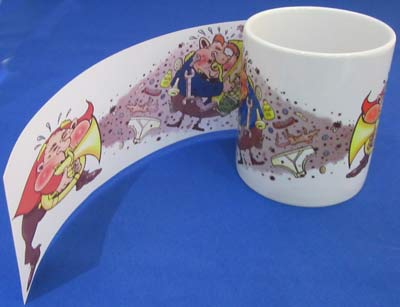
    Then the transfer paper containing the design is placed on the item that is to be decorated, and heat pressed using a commercial heat press.

    The combination of pressure and heat from the heat press makes the ink or dye to ‘sublimate’ (i.e., it turns from solid to gas) and permeates and adheres to the fiber of the item you’re decorating on a molecular level.

    Since the design adheres to the substrate’s fiber on a molecular level, the result is a permanent high-quality print that will never peel or crack.

    The transferred design leaves no additional layer on your garment, so the decorated area has no different feelings to the touch than the rest of the garment. This printing method produces incredibly durable print which will last as long as the fabric itself under normal condition.

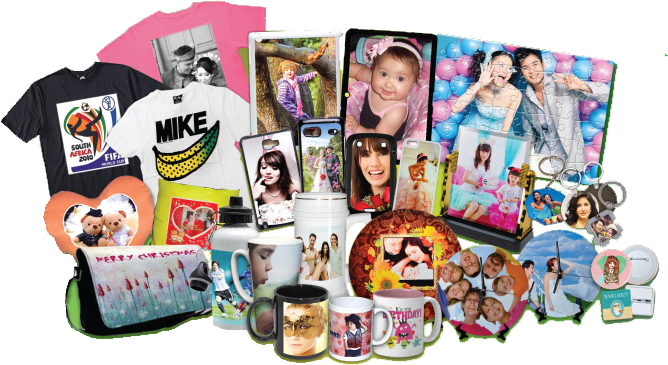
    Dye-sublimation printing is used to decorate polyester materials, and can also work on a wide range of hard surfaces like puzzles, mugs, jewelry, custom water bottle, and many more.

    Pros & Cons of Sublimation Printing

    Pros:

    • Unmatched durability
    • The transfer is self-weeding
    • The design is not layered, so it has no hand feel
    • The investment cost is low
    • Yields incredibly clear and vibrant colors on both soft and hard substrates
    • Uses the same type of transfer papers on both hard and textile surfaces

    Cons:

    • Can only work on poly-coated substrates and polyester fabrics
    • Sublimation ink clogs up in the printer extremely fast
    • The application of this printing method is limited to the substrate’s color

    Heat Transfer vs. Sublimation Printing – The Differences

    By now, you should have understood what heat transfer and sublimation printing is and how they work. Now, let us get down to the nitty-gritty of the two printing methods and compare them in a few important areas.

    Equipment Requirements and Startup Costs

    Heat transfer printing is one of the most inexpensive methods of garment decoration.

    To get started, you’ll only need to invest in a laser or inkjet printer, heat transfer paper, a heat press, and the garments or t-shirts you’d like to decorate. Or you invest in vinyl, a vinyl cutter, heat press and the garments you want to decorate.

    Sublimation printing, on the other hand, has a higher start-up cost than the heat transfer printing option but that start-up cost has reduced greatly in recent years.

    With this option, you’ll have to invest in a sublimation printer, sublimation dye or ink, sublimation paper, essential software, a heat press, and products you can print using this method.

    Also, sublimation printers last longer than the printing machines used in heat transfer printing.

    Durability and Feel

    Heat transfer printing works by adding a layer of your design on top of the fabric or garment you’re printing.

    You can feel this additional layer with your hand. Also, the layer is not as durable as the sublimation prints as it can fade or crack overtime after undergoing lots of laundry cycles.

    Sublimation, on the other hand, uses a process whereby the ink integrates itself into the fabric and becomes part of it instead of forming a layer on the top of the fabric.

    This printing process results in a garment decoration that is matchless in both feel and durability.

    The Types of Fabrics You Can Decorate

    You’re more limited in the garment you can decorate with sublimation than with heat transfer printing.

    First, you can’t decorate 100% cotton material with sublimation; you can only print on polyester garments using this method. That is because the ink used in sublimation printing only adheres to polyester garment fibers.

    However, you can decorate some poly-cotton blends with this method, but the decoration will not be as vibrant and bright as when you sublimate on 100% polyester fabrics.

    Also, the fabric you’re decorating must be very light-colored or white for your transfer to show since sublimation printing leaves no extra layer on top of the garment.

    Heat transfer printing is the clear winner in this section in terms of fabric color and materials you can decorate. That is because it allows you to decorate both dark and light-colored cotton or polyester as well as cotton-poly blends.

    While heat transfer printing leads in this section, it cannot be used on most other hard surfaces, unlike the sublimation that supports a wide range of hard surface substrates.

    Time, Pressure and Temperature Requirements

    Here, the dye sublimation printing is the clear winner as it uses less temperature and pressure than the heat transfer printing method.

    Also, the decoration is completed in less than 60 seconds, unlike the heat transfer that requires a longer amount of time to complete.

    Weeding

    Sublimation printing is naturally self-weeding. That is because only the ink is transferred to the garment, thus resulting in a printing, pressing, and peeling process that is easy and fast.

    Apart from the use of “two-step” laser transfer papers, printing with heat transfer papers are not self-weeding.

    You will have to weed the transfer by trimming around the design with scissors or a cutting plotter unless you want the shape of the paper to create a noticeable background on your garment. This trimming process can also affect the time required to complete the design.

    The Colors You Can Print

    Sublimation printing results in a permanent, realistic coloration with a high resolution and clarity. It allows you to decorate fabrics with full colors, which is great if you have customers that want to print in a specific color (for instance, a color required for a company logo) or you’re looking to print photos.

    However, you may not be able to achieve the same high resolution, photo-quality transfer with heat transfer printing as with sublimation, irrespective of the type of heat transfer paper (inkjet or laser) you use.

    Generally, for light-colored fabrics, your best bet is to use an inkjet heat transfer paper or a laser heat transfer paper that is printed using an OKI white toner laser printer to achieve photo-quality prints with heat transfer printing.

    Final Words

    Both sublimation and heat transfer printing is a great way to decorate apparel; both printing technologies are affordable and beneficial and can be used to decorate fabric with steps that are easy to follow.

    The right method for you ultimately depends on your needs or what you’re looking to create, so the choice is absolutely yours.

    However, I suggest getting a dye sublimation printer if you’re looking to decorate other surface substrates like tiles, mugs, plastic, pieces of jewelry, ceramic, etc. if you are going to stick only to garment decoration, then go for a quality heat transfer printer for your garment printing business.

    Hopefully, this post has shown you the differences between the two printing technologies and has provided the necessary information required to help you on your path to apparel printing and decoration.

    Minuteman Press Pinetown offers both DYE SUBLIMATION and HEAT PRESS branding with various types of substrates such as papers, vinyls and more in our store. Heat press items you can bring your own items and we will advise which method best suits your branding requirements, fabric material and colours.

    Dye sublimation products have to be made out of polyester material or gifts need to be coated with polyester in order to absorb the dye sublimation ink (gas) into the product, thus you can not supply your own mugs etc.

    Contact us for a quotation on sales@minutemanptn.co.za

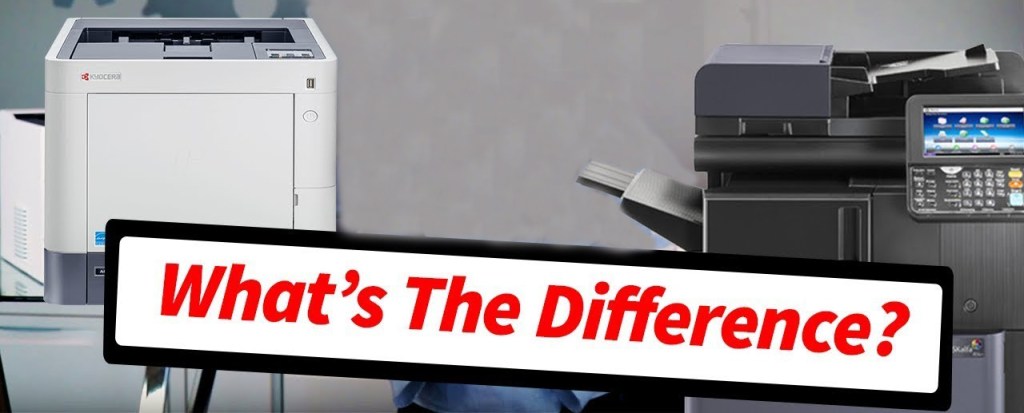
  • Copiers and multifunction printers (stand alone desk printers/copy machines) are very different.

    Copiers and MFPs have different features that lend themselves to different use. Copiers are well-suited to heavy use and document production. Copier-based machines are often designed to do heavy-duty work with finishing features such as binding and sorting.

    Multifunction printers function well for everyday office use. They can handle the brunt of regular scanning, copying, faxing, and printing, and are generally a good all-around machine for the office to share.

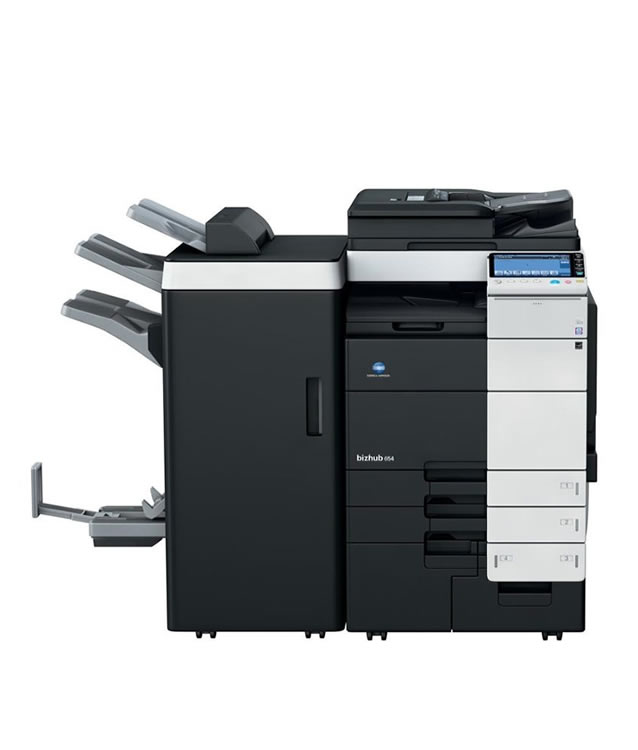
    Minuteman Press Pinetown uses two Black Digital BIZHUB 654 Machines for bulk orders on training manuals, instruction booklets, novels and documents. These machines can fold and staple.

    Minuteman Press Pinetown uses start of the art technology with the amazing BIZHUB 1070 Digital colour press which prints at speeds of 70 bond colour pages per minute!! Not to mention the highest and very accurate quality.

    The large capacity trays at the right hand side ensure large stacks of paper to be loaded to ensure fast turn around time to print bulk orders, without having to constantly load paper in small trays. Keeping the production flow as fast as possible.

    With this highly sophisticated printers, Minuteman Press Pinetown is able to offer digital printing jobs within 2-3 workings, especially flyers in 48 hours and business cards within 24 hours.

    Contact us today for a quotation at sales@minutemanptn.co.za

    For more industry related information on copiers and presses, read the below information

    What’s the difference between a digital press and a copier? This was the question posed in the LinkedIn discussion group “Digital Printing.” The explosion of input that resulted reflects the intensity of emotions on all sides of the issue.

    There are those who hold that it is the printing process that defines a press. Others see speed, printing tolerances, and other technical specifications as more important. Yet others look at how the press is operated, tolerance for downtime, or the applications it runs—even marketer opinion.

    Paul Vermeersch, print specialist at Printconsultant.eu, explains the view that presses and copiers can be defined by how the ink or toner is laid down on paper. “If you consider a digital press [to be] a digital version of a printing press, only HP Indigo presses use parts of gravure and offset principles (liquid ink and indirect print with plate blanket and pressure cylinders),” he writes. “Most others today are sophisticated high-end xerographic color printers.”

    Joel Lukacher, technical director at Family Labels, Margate, FL, is representative of the view that speed, printing tolerances, and other technical specifications are more important to determining a pedigree. “Both [digital presses and copiers] use photo xerography. The difference is the faster speed (70-200 ppm), tighter tolerances, and the tighter color controls. Also, a digital press would have more sophisticated inline bindery options, such as a saddle stitcher with three-knife trimming.”

    The challenge, as discussion participants pointed out, is that some of the higher end color copiers offer faster speeds and tighter tolerances, too.

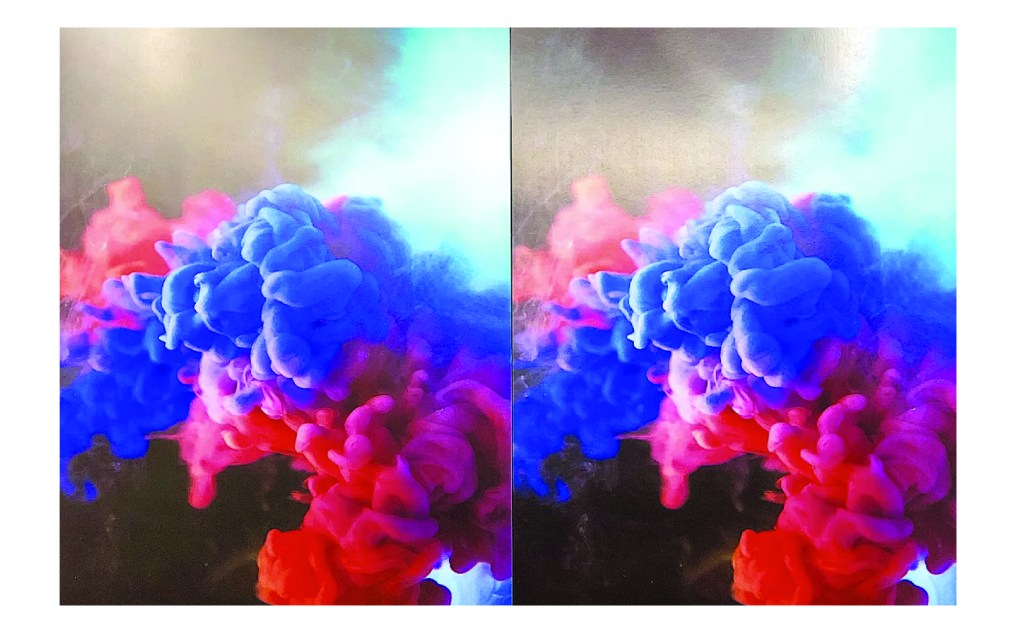
  • When approaching a professional printing company such as an international printing company like Minuteman Press, you’ll normally be offered the choice of two types of process, digital and offset lithography (litho printing).

    The process you choose will impact not just the finished product, but also the budget, timeframe and quality of your order. As most companies are starting out and need to market their business, they are usually on a low startup budget requiring only a few marketing materials to promote their business. For this reason, to be most cost effective, digital printing has become the most popular choice.

    There is a major difference between the two options.

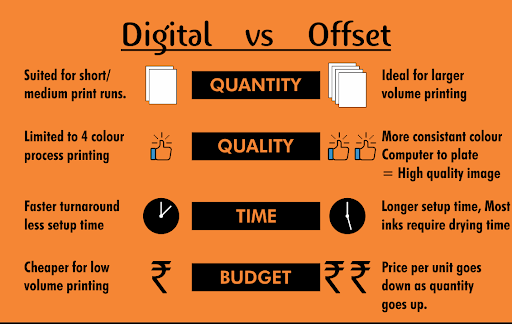
    What’s the difference between litho and digital printing?

    Both litho and digital printing have their unique advantages, with each process suitable for a variety of jobs and applications.

    In simple terms digital printing uses inks and a press that’s similar to a large office printer whereas lithographic printing uses wet ink and printing plates. These plates have an image burned into them which is then transferred (or offset) onto rubber blankets and then onto the printing surface.

    Quantity

    As litho printing requires more time and money to set up, it’s generally used for longer print runs, while the convenience of digital printing is ideal for shorter runs and one off prints. With litho printing the unit cost goes down as the quantity goes up so is great for high volume runs.

    Paper stock

    Though the capabilities of digital printers are increasing all the time, in general, the variety of mediums that can be printed on using the litho process is wider. You’re not limited to paper either, litho printing is used to print on a range of surfaces including wood, metal and plastic.

    So if you’re looking to print onto very light or very thick paper or another type of material, litho printing will probably be your best option.

    Size

    When it comes to printing, size does matter! The smaller sheet size used for digital printing will often limit the maximum size of a document being printed. The largest paper size for a digital printing press will often be SRA3 where as a lithographic printing press maybe B1 or B2.

    Turnaround

    The preparation involved in litho printing means that jobs will take longer to turnaround compared to those using digital printing, so if you’re up against a tight deadline, digital may be the way to go.

    Proofing

    Literally ensuring that all the i’s are dotted and the t’s crossed and that everything is properly aligned and colours spot on is an important part of the printing process.

    As you see an actual example of the printed proof with digital printing, it offers a more accurate idea of the finished product.

    Getting wet proofs through litho printing can be expensive as the plates need to be created before the proof can be made, we offer several alternatives options instead.

    Customisation

    Once you’re lithographic plates are made, customising the content of your order will probably involve starting the process all over again and remaking new plates.

    If you’re using digital on the other hand, a few tweaks to the file on your desktop should suffice.

    With both processes offering high quality results, the type of printing you choose simply comes down to your requirements and the way you work. Talk to us to find out more and get your next job underway today.

    Contact Minuteman Press Pinetown today for the best advise on which method would best suit your requirements and budget. Our pricing is very competitive for both digital and litho printing.

    Call us on 031 701 3101 or email sales@minutemanptn.co.za

    #printingservices #lithoprinting #digitalprinting

  • Large Format Printing refers to print materials that are too large to be printed on the most readily available sizes of commercial printing presses

    We only use the latest digital print technology, able to print on banner, contravision, wallpaper, canvas, vinyl & poster material. We are able to print big runs at quick turnaround times ensuring 100% satisfaction for our customers.

    Materials and Uses of Large Format Prints

    Clients often ask what can our large format printer print on & what can the printed material be used for. Below are the examples of the different types of material that we can print on & also what it can be used for.

    Banner Printing

    Banner prints can be used for point of sale on counters or side of buildings to name a few. It is an inexpensive material to print on and can be easily installed on site. Has a lifespan of 12 months before the print starts to fade.

    Contravision Printing

    Contravision prints can be used for advertising on shopfront windows or office windows to name a few. It can help block vision from onlookers looking into the shop, however from inside looking out visibility will be clear. Has a lifespan of 3 years before the print starts to fade.

    Wallpaper Printing

    Wallpaper prints can be used for home, office, restaurant & retail store wall decor.

    Vinyl Printing

    Vinyl prints can be used to apply onto windows, chromadek, products ect. This is a material that be applied to a multiple number of surfaces. Has  a lifespan of between 3 to 5 years before the print starts to fade.

    To see more on large format printing and what we offer view our website

    Large Format Printing (minutemanpress.co.za)

    Call our store for more on 031 701 3101

  • Branded Items Every Corporate Gift Bag Needs

    63

    Wondering which items to include in your corporate gift bag packs? Branded promotional items have evolved a great deal over the years, going from the somewhat cheesy mugs and USB sticks of the early 2000s to interesting items that can be used and enjoyed by those receiving branded gift packs.

    Whether you are planning a promotion or organising gift packs for special events, there are a few items that will add value to your corporate gift bags.

    Essential Items for Branded Corporate Gift Bags

    304046-detail

    Gone are the days of boring pens and unwanted goods. Today’s promotional items don’t have to be over the top, but they can still provide value in a way that keeps your brand top of mind. Some of the most useful and functional branded items to include in your corporate gift bag packs include the following:

    Car chargers.

    306090-main

    Car chargers are practical, which means that they are used on a regular basis. These are often also compact enough to easily fit into a goodie bag or a gift bag and they do not cost a fortune to produce. Industries that work well using this type of gift for promotion include travel niches, business niches, mom businesses, and even hospitality industries.

    Sticky notes.

    These are a fun, simple and affordable way to keep your brand front of mind. Sticky notepads can be found in a range of sizes, from extra small to larger sized pads. These have an added benefit of getting your name out not just to the client you gift the item to but also to that client’s audience. Whether used to take notes near the phone, make shopping lists or keep on track of reminders, sticky notes are especially useful in industries such as retail, corporate, marketing, and hospitality.

    Mug warmers. 

    Rather than going with old-fashioned mugs, you could look at branded mug warmers that can be added to a travel mug. This item is relatively affordable and easy to produce, with a variety of branding and styling options that help to customise the warmers. Ideal for home businesses, travel niches, business niches, and many other types of business, this gift is also long-lasting and reusable if made from quality materials.

    Shopping bags.

    301826-black

    In today’s eco-conscious world, reusable shopping bags are always in demand. Look for well-made bags that are made from recycled or sustainable materials. Bags that can be folded easily will be especially popular. Industries that would welcome this type of gift include eco-businesses, retailers, fashion businesses, travel businesses, leisure companies, and many others.

    Power banks.

    303510-main

    Power banks are the modern version of the USB stick. These come in a range of shapes and sizes, helping to charge phones and tablets on the go. They work in a wide range of industries and offer a genuinely useful, thoughtful gift that will be used and appreciated by recipients.

    To get the most from your goodie bags, it is best to choose a promotional goods and printing company in Durban or surrounds that is able to work with you each step of the way. This will ensure that your corporate gift bag ideas are turned into reality in a way that leaves the right impression every time.

  • Use Corporate Clothing to Boost your Brand Identity

    Workwear SPOTLIGHT

    Did you know that the Trappist Trail, a series of mission stations built by Trappist monks roughly a century ago, starts in Pinetown?

    Corporate clothing has gone through a complete evolution. From the ugly and restrictive uniforms of decades ago, we now have fashionable, comfortable and sophisticated items that make corporate clothing a great perk to have. Here is how these items go a long way in boosting your brand’s identity:

    • Brings employees closer together

    Corporate clothing unites the workers in a business. It gives them something to distinguish themselves from other workers in the region, it eliminates the stress involved in buying and deciding what to wear every day and it places everyone on the same level. This can spill over into company branding objectives by boosting morale and creating cohesion among the staff.

    • Puts your Brand out there

    If your staff is wearing corporate clothing to work, then they are undoubtedly seen in these items when they are out-and-about as well. Designing great looking and great fitting corporate clothing that can be worn to sporting events and social functions will raise your brand awareness to the public. People who see your logo and corporate colours will be able to experience the enthusiasm of your corporate culture, which will contribute to your brand identity and brand-building goals.

    • Endears you to your customers 

    When you invest in items that reflect your corporate culture, it will create a golden thread that ties your company’s corporate culture with the faces that customers see at your place of business. The colour scheme, designs and patterns that you choose will establish authority and trust in your brand.

    Get in touch with Minuteman Press, a leading printing company in Pinetown specialising in branded Barron company clothing.